




Improving plumbing efficiency in residential homes is a crucial aspect of reducing water usage, lowering utility bills, and promoting environmental sustainability. With the increasing awareness of resource conservation, homeowners are more inclined to adopt methods that enhance the efficiency of their plumbing systems. There are several strategies that can be employed to achieve this goal.
One effective method is the installation of low-flow fixtures. These fixtures, including faucets, showerheads, and toilets, are designed to use significantly less water than traditional models without compromising performance. For instance, low-flow toilets use about 1.28 gallons per flush compared to older models that can use up to 6 gallons. Similarly, low-flow showerheads reduce water flow by up to 50%, which not only conserves water but also reduces the energy required for heating it.
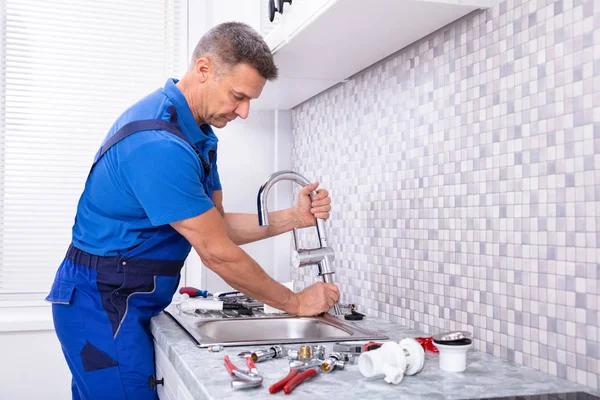
Regular maintenance and timely repairs also play a vital role plumbers in quincy, ma improving plumbing efficiency. Leaks are common culprits of water wastage; even a small drip from a faucet can waste hundreds of gallons annually if left unchecked. Homeowners should routinely inspect their plumbing systems for leaks or drips and address any issues promptly. This includes checking under sinks for moisture or signs of leakage and ensuring that all connections are secure.
Upgrading old appliances is another impactful strategy. Modern dishwashers and washing machines are designed with efficiency in mind, using less water while delivering superior performance compared to older models. Investing in Energy Star-rated appliances ensures reduced water consumption as well as lower energy bills over time.
Insulating pipes is an often-overlooked method that offers significant benefits not only in terms of efficiency but also comfort and safety. Insulated pipes maintain heat better during transit from heaters to faucets or showers, which means less waiting time for hot water delivery—thereby saving both energy and money on utility bills.
Incorporating smart technology into home plumbing systems represents another frontier in enhancing efficiency. Smart leak detectors alert homeowners immediately when leaks occur so they can take swift action before substantial damage ensues or excessive amounts of water go wasted unnoticed over time.
Finally, educating household members on mindful usage practices makes a considerable difference collectively over time—simple habits like turning off taps while brushing teeth or taking shorter showers contribute significantly towards overall conservation efforts within homes equipped with efficient infrastructure already installed.
By implementing these best practices consistently across households nationwide—not just individually—we move closer toward broader sustainability goals beneficial both environmentally & economically long-term alike!