





Have you ever felt out of place at a social gathering? Perhaps you’ve wondered why some people seem naturally at ease, effortlessly engaging in conversation while others struggle to find the right words. If these scenarios sound familiar, you’re not alone. Many people grapple with social ineptitude, an issue that can hinder personal growth and social interactions.
Social ineptitude is often misunderstood, so let’s delve into its significance. It refers to a lack of social skills or the ability to engage smoothly in social settings. These awkward people may find it challenging to interpret social cues or may feel uncomfortable in conversations. While some might label them as socially awkward, understanding the nuances of social ineptitude can be enlightening.
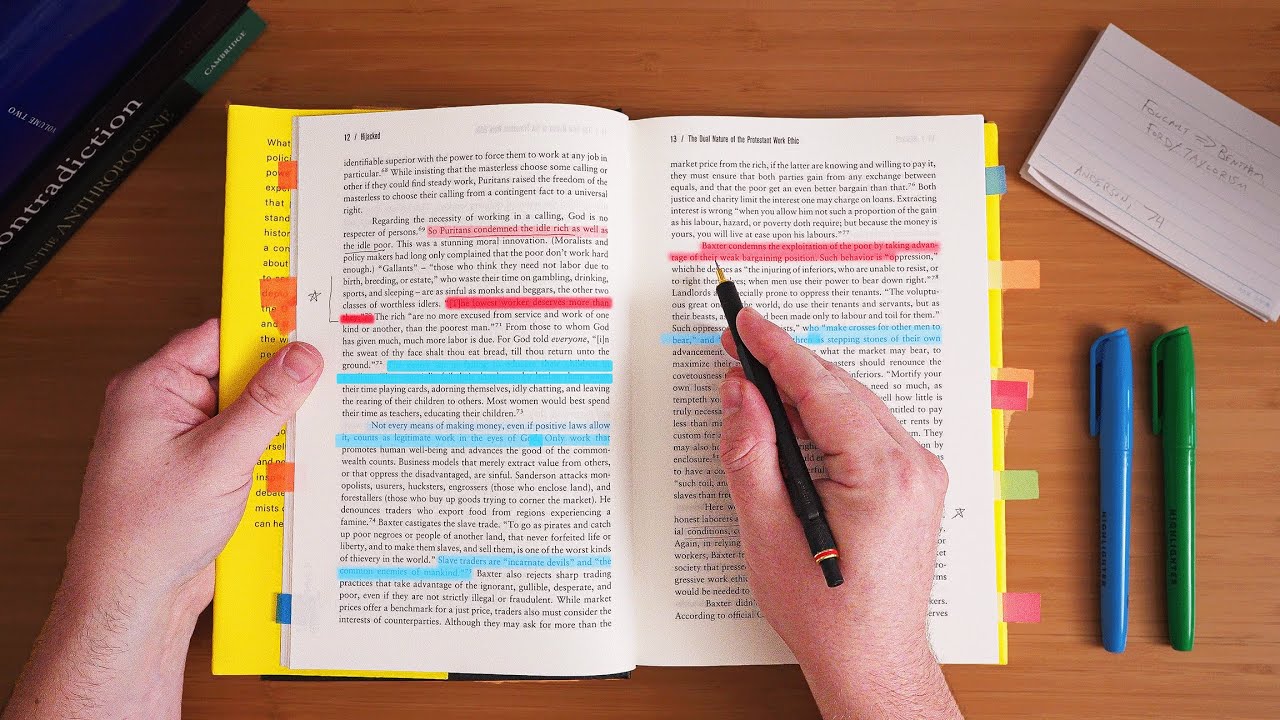
The page on a noted resource explains how socially awkward people often misinterpret social signals. This misunderstanding can lead to uncomfortable situations or feelings of inadequacy in social contexts. It’s important to note that being socially inept doesn’t inherently equate to a lack of intelligence or capability. Instead, it highlights an area that can be improved for personal growth.
Recognizing the Signs
Identifying social ineptitude in oneself or others can be the first step toward addressing it. Common signs include difficulty maintaining eye contact, discomfort in group settings, or a tendency to dominate conversations without realizing it. Recognizing these signs allows individuals to consciously work on their social skills, paving the way for more fulfilling interactions.
Strategies for Improvement
Improving social skills is a journey that begins with self-awareness. Individuals can start by observing how they interact in various settings and seeking feedback from trusted friends or colleagues. Practicing active listening, where one focuses entirely on the speaker without planning a response, can significantly enhance conversational skills. Engaging in role-playing exercises or joining social skills workshops are also practical strategies to consider.
Embracing a Bubbly Personality
For those who find themselves more reserved, observing individuals with a bubbly personality can offer valuable insights. These individuals are often seen as approachable and engaging, traits that can be emulated. While not everyone naturally possesses a bubbly demeanor, adopting elements such as genuine interest in others and a positive attitude can help overcome social ineptitude.
Personal Growth Through Social Skills
Ultimately, overcoming social ineptitude is not about transforming into someone you’re not. Instead, it’s about developing the skills necessary to navigate social landscapes with confidence. Personal growth in this area can lead to richer relationships, enhanced career prospects, and a greater sense of self-worth.
Understanding social ineptitude is a vital step toward personal development. It requires patience, practice, and a willingness to step outside one’s comfort zone. By embracing the path to improvement, individuals can foster meaningful connections and thrive in various aspects of life.