





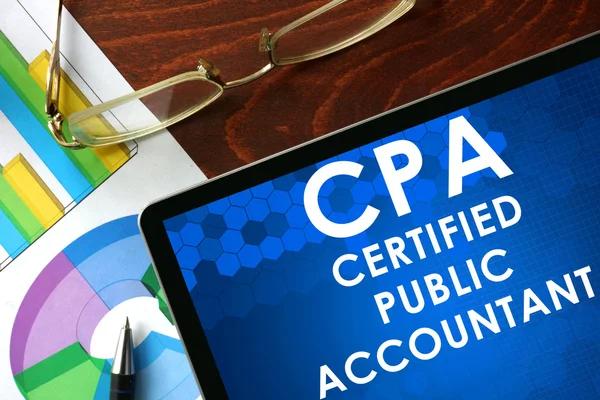
A Certified Public Accountant (CPA) plays a vital role in managing financial information and ensuring compliance with regulatory standards. Their daily work involves a variety of tasks centered around accounting, auditing, tax preparation, and consulting. Typically, a CPA begins the day by reviewing financial records to ensure accuracy and completeness. This process often includes examining ledgers, bank statements, invoices, and receipts to verify that all transactions are properly documented. Accuracy is crucial because CPAs rely on these documents to prepare reports and provide sound financial advice.
One of the primary responsibilities of a CPA is preparing financial statements such as balance sheets, income statements, and cash flow reports. These documents offer insights into an organization’s financial health and are used by management for decision-making purposes or shared with external stakeholders like investors or regulatory agencies. CPAs must ensure these statements comply with Generally Accepted Accounting Principles (GAAP) or other relevant accounting frameworks depending on the jurisdiction.
In addition to preparing reports, CPAs conduct audits to assess whether an organization’s financial practices adhere to legal requirements and internal policies. This task requires meticulous examination of records along with interviews of personnel involved in finance operations. The audit process helps identify discrepancies or potential fraud while recommending improvements for internal controls.
Tax-related duties also occupy significant portions of a cpa near me‘s day-to-day activities. They prepare individual or corporate tax returns by analyzing income sources, deductions, credits, and applicable tax laws. Staying current with changing tax regulations is essential since it impacts how clients file taxes and plan their finances throughout the year. Beyond filing returns accurately and timely, CPAs advise clients on strategies to minimize tax liabilities legally.
Consulting services form another important aspect of a CPA’s workload. Businesses often seek their expertise for budgeting advice, risk assessment evaluations, investment analysis, or assistance during mergers and acquisitions. By interpreting complex financial data into understandable terms for clients who may lack accounting knowledge, CPAs help guide strategic decisions that align with long-term goals.
Throughout their workday, communication remains critical as CPAs collaborate closely with colleagues from various departments such as finance teams or external auditors while maintaining transparency with clients about findings or recommendations. Technology also supports their efforts through specialized software designed for bookkeeping automation or data analysis which increases efficiency without compromising precision.
Overall, the daily routine of a Certified Public Accountant combines technical proficiency in accounting principles with analytical thinking and problem-solving skills aimed at promoting fiscal responsibility within organizations across industries.
Susan C. Lloyd, CPA
329 Lake Blvd, Redding, CA 96003
530-221-1609